Launching a household cleaning brand involves more than choosing a product and putting your logo on the packaging. Businesses need to consider product positioning, formulation, packaging, manufacturing requirements, quality standards, and target-market expectations. Private label cleaning products offer a practical way for brands, importers, retailers, and distributors to build their own product lines without establishing their own manufacturing facilities. In this guide, we explain how private label cleaning products work, which product categories to consider, how to customize your products, and what to look for when choosing a manufacturing partner.
What Are Private Label Cleaning Products?
Private label cleaning products are products manufactured by a third-party manufacturer and sold under a customer's own brand name. Depending on the manufacturer's capabilities and the project requirements, a private label program may use an existing formulation, adapt an available product, or involve the development of a customized solution. This model allows businesses to focus on branding, sales channels, distribution, and customer relationships while working with an experienced manufacturer for product development and production. Private label cleaning products are commonly used by retailers, importers, distributors, e-commerce businesses, and companies looking to expand their product portfolios.
What Types of Cleaning Products Can You Develop?
Before selecting a manufacturer, identify the product categories that best fit your brand positioning and target market.
1. Laundry Care Products
Laundry care is a broad category with multiple product formats and positioning opportunities, including:
When evaluating laundry products, consider cleaning performance, fragrance, concentration, dosage, packaging, and the washing conditions relevant to your intended market.
2. Dish Care Products
Dish care products include solutions for automatic dishwashing and everyday dishwashing, such as:
-
Dishwasher detergent powder
For automatic dishwashing products, formulation and product selection may depend on water hardness, machine type, cleaning requirements, and the role of complementary products such as salt and rinse aid.
3. Home and Bathroom Cleaning Products
Household cleaning categories can include floor cleaners, multi-purpose cleaners, shoe cleaners, toilet cleaners, bathroom cleaners, drain cleaners, and washing machine cleaners. These products serve different applications, so their formulation, packaging, directions for use, and performance requirements should be evaluated individually.
4. Pet Care Products
Depending on the manufacturer's product portfolio, brands may also explore pet grooming products and pet odor management solutions. Expanding into related categories can help businesses build a broader assortment for their existing customers.
How to Develop Your Private Label Cleaning Products
A structured development process helps reduce misunderstandings and keeps the project aligned with your commercial goals.
Step 1: Define Your Target Market and Product Positioning
Start by identifying your intended customers, sales channels, target price range, and product positioning. Consider whether your product is intended for mass-market retail, premium fragrance-led cleaning, concentrated cleaning, e-commerce, or another clearly defined segment. Your positioning will influence formulation choices, packaging, fragrance, product size, and the claims you may need to substantiate.
Step 2: Select the Product and Format
Choose a product category and format based on the needs of your target market. For example, laundry detergent may be developed as a liquid, powder, or pod. Each format has different formulation, packaging, manufacturing, storage, and usage considerations. Not every format is suitable for every product or project, so confirm technical feasibility with your manufacturer before making a final decision.
Step 3: Develop the Formulation
Some projects can begin with an existing formulation, while others require adjustments or new development work. Discuss the required cleaning performance, concentration, fragrance, appearance, intended application, and any relevant market requirements with your manufacturing partner. The scope, feasibility, and timeline of formulation development will depend on the product and the level of customization required.
Step 4: Customize the Packaging
Packaging plays an important role in product protection, storage, transport, usability, and brand recognition. Options may include bottles, pouches, tubs, boxes, labels, and other available packaging formats. The choice depends on the product, compatibility requirements, order quantity, and target sales channel. Confirm artwork, dimensions, materials, labeling requirements, and packaging availability before mass production.
Step 5: Evaluate Samples and Confirm Specifications
Before placing a bulk order, review samples against the agreed product requirements. Depending on the product, evaluation may include appearance, fragrance, cleaning performance, dissolution, packaging compatibility, stability, or other relevant checks. For products intended for specific equipment or applications, testing under representative conditions can help identify issues before production.
Step 6: Confirm Manufacturing and Quality Requirements
Once the product and packaging specifications are approved, confirm the production plan, quality requirements, order quantity, documentation, and delivery arrangements. The manufacturer and buyer should agree on the applicable inspection procedures and product acceptance criteria before the order moves into mass production.
What Should You Look for in a Private Label Cleaning Products Manufacturer?
Choosing a suitable supplier involves more than comparing quotations. Consider the following factors:
Product range: Can the manufacturer support the categories and formats you need now, as well as potential future expansion?
R&D and formulation capabilities: Can the team evaluate your product brief, explain technical limitations, and support appropriate customization?
Packaging options: Can the manufacturer coordinate suitable packaging, labeling, and artwork requirements?
Manufacturing capacity: Does the facility have the equipment and production arrangements required for your product format and expected order volume?
Quality management: Ask about specifications, inspection procedures, relevant testing, and documentation available for your product.
Communication and project management: A reliable partner should clearly explain feasibility, sample arrangements, production requirements, and any issues that may affect the project.
Commercial requirements: Confirm MOQ, sample costs, lead time, payment terms, shipping arrangements, and any tooling or packaging costs before committing.
OEM, ODM, and Private Label: Which Model Should You Choose?
Private label describes the branding and selling arrangement, while OEM and ODM describe different approaches to product manufacturing and development. OEM is generally suitable when the buyer has defined product requirements or an agreed formulation and needs a manufacturer to produce the product accordingly. ODM may be suitable when the buyer needs a manufacturer to help develop or adapt a product based on a brief. Private label products may use either an existing product or a customized development arrangement, depending on the supplier's capabilities and the agreement between both parties.
Discuss the intended development scope with your manufacturer rather than relying on the terminology alone.
How Youkai Supports Private Label Cleaning Products
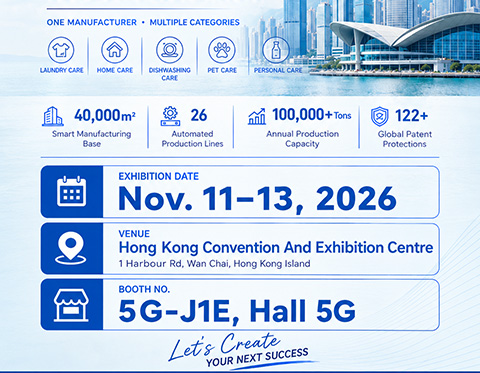
Guangdong Youkai Technical Co., Ltd. provides household cleaning product manufacturing and OEM/ODM services across multiple categories, including laundry care, dish care, bathroom care, home care and pet care. With an established manufacturing base, automated production lines, and an R&D team, Youkai works with customers to evaluate product requirements, customization options, packaging, and manufacturing arrangements. Available solutions depend on the product category and project specifications. Customers are encouraged to share their target market, product ideas, expected quantities, and packaging requirements for an initial project evaluation.
Start Your Private Label Cleaning Product Project
Before contacting a manufacturer, prepare a short product brief covering your target market, product category, intended positioning, packaging preferences, estimated order quantity, and any specific formulation requirements. You do not need to have every detail finalized. A clear starting brief helps the manufacturer assess feasibility and identify the next steps.
Looking for a manufacturing partner for your household cleaning brand? Contact Youkai to discuss your private label or OEM/ODM project.
 Guangdong Youkai Technical Co., Ltd.